
Page updated 3 October 2026 · BVertex patient information
GFC Hair Treatment in Delhi: understand the proposed plan
GFC stands for Growth Factor Concentrate. At BVertex, a GFC enquiry should begin with an assessment of the hair-thinning concern and a discussion of why this option is being considered. The clinic's listed location is Rajouri Garden, New Delhi. You can contact the team to arrange a consultation without committing to a session package first.
GFC is a blood-derived preparation, but that description alone does not establish whether it is suitable for you or what outcome you should expect. Ask the clinician to explain the preparation used, the planned application and the evidence relevant to the recommendation. Do not assume that every product or protocol called GFC is identical. The useful question is how the actual proposed procedure fits your individual assessment, rather than whether its name sounds more advanced than another option.
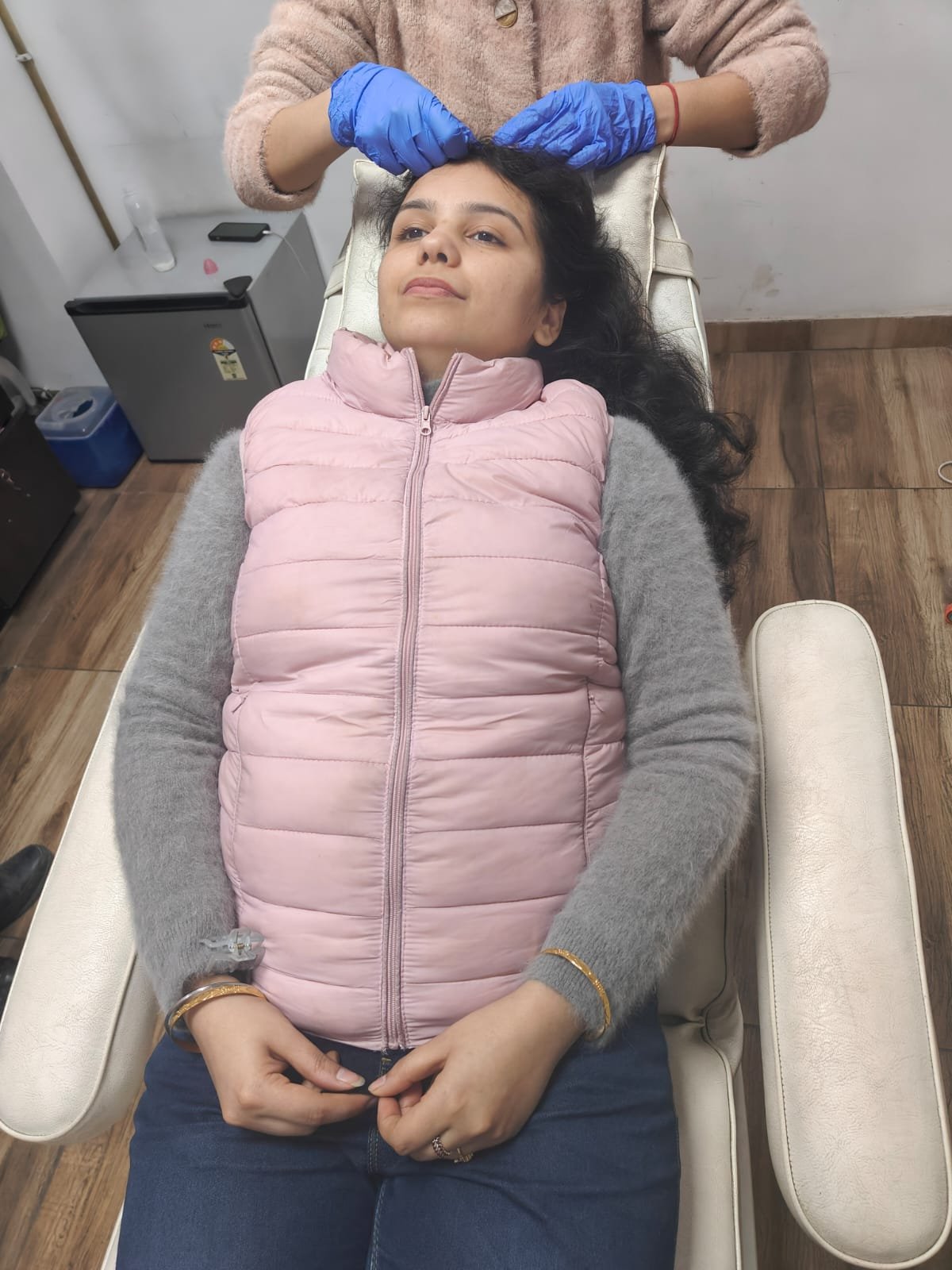
What should I ask about a GFC session?
Ask what will happen at the session, who will carry out each step and what instructions you should follow before attending. The consultation should explain whether a blood sample is required and how the preparation will be used. Tell the clinician about medicines, previous reactions, relevant diagnoses and any earlier scalp procedure so the team has the information needed for its assessment.
Request details of the planned number of visits and the role of review appointments. A course should not be purchased solely because it contains more sessions than another package. Ask how the proposed schedule was chosen and what would lead to reconsidering it. Understand the arrangements for reporting concerns after an appointment. This website cannot prescribe a GFC protocol, session interval or aftercare routine for an individual; obtain those instructions from your treating clinician.
GFC versus PRP: compare the actual protocol
GFC and PRP are both discussed in relation to blood-derived scalp procedures, but the preparation and protocol may differ. If you are comparing them, ask what the clinic proposes in each case, why one is being suggested and what is known about the expected response for your concern. The comparison should include limitations and the practical commitment, rather than only the price or the treatment name.
Avoid assuming that one is universally better, painless or suitable for every stage of hair loss. Ask whether there are established alternatives to consider and whether more than one approach is being proposed. If a combined plan is suggested, understand the purpose of each element and its separate cost. Read the dedicated PRP page for appointment questions, then use an assessment to decide whether either procedure belongs in your own treatment plan.
What does the research tell me about GFC?
Research into GFC for hair loss is developing, and results from one preparation or combined-treatment study should not be treated as proof that every protocol will perform the same way. The published literature includes small studies and comparisons using other treatments alongside the procedure. Ask the doctor which evidence supports the specific recommendation and what remains uncertain.
For an informed decision, ask whether the expected benefit has been described realistically and whether the assessment includes alternatives. A study result cannot predict your individual response. Be cautious about claims that a blood-derived procedure guarantees regrowth, revives all follicles or replaces every established treatment. The GFC discussion should make the limits clear. BVertex's content is intended to support that conversation, not turn early research into a guaranteed result or a reason to buy an unlimited course.
GFC cost in Delhi: ask what a course includes
When asking about GFC cost, request the full proposed plan rather than only the price of one session. Clarify the assessment fee, planned visits, consumables, review arrangements and any separately charged items. Ask whether a package has a validity period and how postponements are handled. Current rates and any offers must be confirmed with BVertex; this page does not assume that an older advertised promotion is still available.
Compare the same scope when considering different quotations. A six-month duration is not the same as a specified number of medically appropriate sessions. Request an explanation of the schedule and the reason for recommending it. Keep the quotation in writing so that the inclusions are clear. The best financial decision is one based on an understood clinical plan, practical attendance and transparent terms rather than a large session count.
Review changes with a record rather than a daily mirror test
Ask how the clinician wants to record your starting point and assess progress. If photographs are used, understand which views will be taken and how the conditions will be kept comparable. Describe what you notice in everyday life, but avoid declaring success or failure from a single photograph or a different hairstyle. Keep the review dates and the agreed goals together.
If the response does not match your expectations, raise the concern at a review before buying extra sessions or switching procedures. Ask whether the original recommendation still applies and what alternatives should be discussed. Be honest about any changes to prescribed products or attendance. A useful follow-up considers the whole plan and your experience. It should not rely only on a selected before-and-after image, a testimonial or an assurance that every patient eventually responds.
Book a GFC assessment without choosing a package first
You can ask BVertex about GFC while remaining undecided about treatment. Explain whether your concern involves thinning, shedding or a changing hairline, and mention any prior scalp procedures when arranging the consultation. Bring the available records to the appointment. The purpose is to understand your situation and the options, not to arrive already committed to an advertised course.
If a procedure is recommended, ask for its rationale, current quotation, consent information and review plan. Take time to read the documents and ask about uncertainties. A recommendation should be understandable even if you have no medical background. Contact +91 88001 40086 or use the website's WhatsApp link for appointment enquiries. Confirm the Rajouri Garden address and booking details before travelling, and obtain individual preparation instructions from the clinic if a session is scheduled.
What should I expect at my first hair consultation?
Your first appointment is an opportunity to explain what has changed and what you would like help with. Make a short note of when you first noticed the problem, whether it has been gradual or sudden, and which parts of the scalp concern you most. Mention previous consultations, treatments and products, including anything you bought without a prescription. A useful conversation starts with your history rather than a package recommendation.
Bring questions about the proposed plan, the person responsible for your care and the arrangements for follow-up. You can ask the doctor to explain unfamiliar terms in everyday language. Before agreeing to a procedure, make sure you understand the reason for recommending it and what will happen next. If you need time to think, ask for a written outline that you can review after the visit.
Questions to ask before choosing a treatment
Before booking a procedure, ask why it has been recommended for your particular concern. Useful questions include: what alternatives are available, what is included in the plan, who performs each step, and how will follow-up be arranged? Ask whether the quotation covers the assessment, procedure, consumables, medicines and review visits, or whether some items are billed separately. Request clarification while you are still deciding.
It is also reasonable to ask what happens if the response is less than expected or you cannot attend a planned appointment. Understand the cancellation and rescheduling arrangements before making a payment. Keep a copy of the explanation and quotation rather than relying on a remembered verbal conversation. A careful decision does not require knowing every technical detail; it requires understanding the purpose of the treatment, its practical commitments and the questions that remain unanswered.
Prepare a clear hair-loss history
A simple timeline can make your consultation more productive. Write down when you noticed extra shedding, a changing hairline or a wider parting. Record any major changes around that time, without deciding for yourself that one event must be the cause. Include illness, changes in medication, different hair products and previous procedures. Your doctor can decide which details are relevant and whether further information is needed.
If you have earlier photographs, choose a few that show the same part of the scalp clearly. Avoid a large collection of filtered selfies that are difficult to compare. Bring existing reports and prescriptions in date order, and list the treatments you tried along with how long you used them. Accurate information is more useful than remembering every product name from memory. Do not stop prescribed medicines in preparation for a visit unless your treating clinician tells you to.
Set a goal that your treatment plan can address
People seek help with hair loss for different reasons. One person wants advice about a receding hairline; another is more concerned about visible scalp in photographs or repeated shedding during washing. Describe the specific change that bothers you instead of asking only for the strongest treatment. This helps the consultation focus on a goal that can be assessed and discussed honestly.
Ask what the proposed plan is intended to achieve, how progress will be reviewed and what would count as an unsatisfactory response. A goal such as improving the appearance of a particular area is easier to discuss than an open-ended promise of perfect hair. Tell the doctor about an upcoming event, but do not assume the calendar can determine the biological response. You should leave the appointment with a shared understanding of the aim, the limitations and the next decision point.
Agree on follow-up before the first procedure
Follow-up should be part of the conversation when a treatment plan is discussed. Ask when you should return, what will be reviewed and how to contact the clinic between appointments. Keep the appointment details, written instructions and clinic contact information together. If your schedule changes, tell the team promptly so that the next step can be planned rather than guessed.
During a review, explain what you have noticed and any difficulties following the instructions. Describe symptoms, changes in your routine and use of products accurately, even if you have missed part of the plan. A review is a chance to reassess, not a reason to hide information. Ask whether the original goal remains appropriate and whether further treatment is justified. Do not purchase additional sessions automatically simply because a package has ended; understand the reason for any proposed continuation.
Use photographs to support a useful review
Photographs can help you explain a concern and keep a practical record of the area being discussed. For your own records, use similar lighting, camera distance and hair positioning whenever possible. Include the front, parting or crown only where those views are relevant to your concern. Label the date and avoid changing the image with beauty filters, colour correction or effects that obscure the scalp.
Do not draw conclusions from two photographs taken in very different conditions. A wet hairstyle, a different haircut or stronger overhead lighting can change the appearance. Ask the clinician which views are useful and how images will be compared at follow-up. If you share photographs with a clinic, ask who can access them and whether separate consent is requested for publication. Clinical documentation and public marketing use should be explained clearly before you agree to either.
Ask for written aftercare that fits the procedure
Aftercare instructions should match the treatment you actually receive. Before leaving, ask when you may wash your hair, resume exercise, wear a helmet or use your usual styling products. Check whether there are restrictions that affect your work or travel plans. If medicines are prescribed, request clear directions from the clinician and ask whom to contact if the instructions are difficult to follow.
Keep the written guidance accessible and avoid replacing it with advice from an unrelated social-media video. If you are unsure about something you have been told, contact the treating team for clarification. Report unexpected or worsening symptoms promptly rather than waiting for the next routine review. This website provides general information and appointment guidance; it cannot give individual post-procedure instructions. Your treating clinician is responsible for explaining the care and escalation arrangements appropriate to your case.
Answers to common appointment questions
What does GFC stand for?
GFC stands for Growth Factor Concentrate. It is discussed as a blood-derived scalp procedure. Ask the clinician about the actual preparation and protocol being proposed, why it is relevant to your assessment and what evidence and limitations should inform your decision.
Where is the BVertex GFC consultation in Delhi?
The listed clinic is at A-66, Gate No. 5, 1st Floor, Block A, near Rajouri Garden Metro Station, New Delhi 110027. Call +91 88001 40086 to request an appointment and confirm the details before travelling.
How many GFC sessions should I book?
Ask for an individual plan after assessment, including the purpose of the proposed visits and the review point. A large session count or long package duration does not determine what is appropriate for you. Understand the rationale before committing to a course.
Is GFC always better than PRP?
A universal ranking is not a useful way to choose a procedure. Ask the doctor to compare the actual protocols, evidence, limitations and practical commitments for your concern. Read both service pages to prepare questions, then discuss the recommendation at an assessment.
What is the current GFC price or offer?
Contact BVertex for the current quotation and any confirmed terms. Ask whether the price includes assessment, procedures, consumables and reviews. This page does not assume that a previously advertised discount is still available or that every package has the same inclusions.
Can I arrange a GFC enquiry on WhatsApp?
Use the website WhatsApp link to ask about appointment arrangements and documents to bring. A short enquiry can organise the next step, but it does not settle diagnosis, suitability, the session schedule or an exact individual treatment quotation.
Request an assessment at BVertex
Call +91 88001 40086 or use WhatsApp to request an appointment at the Rajouri Garden clinic. Ask for the current consultation fee, available time and documents to bring. Confirm the full address before travelling. Use your appointment to understand the proposed next step and ask for clarification before making a treatment commitment.
Further reading: Published GFC study: a small prospective study. General information supports your questions; individual advice comes from your treating clinician.